
Signs of Aging in Dogs
Aging in dogs is gradual — the changes don't arrive on a birthday. Understanding what's normal at each stage helps you catch problems early and adapt care proactively.
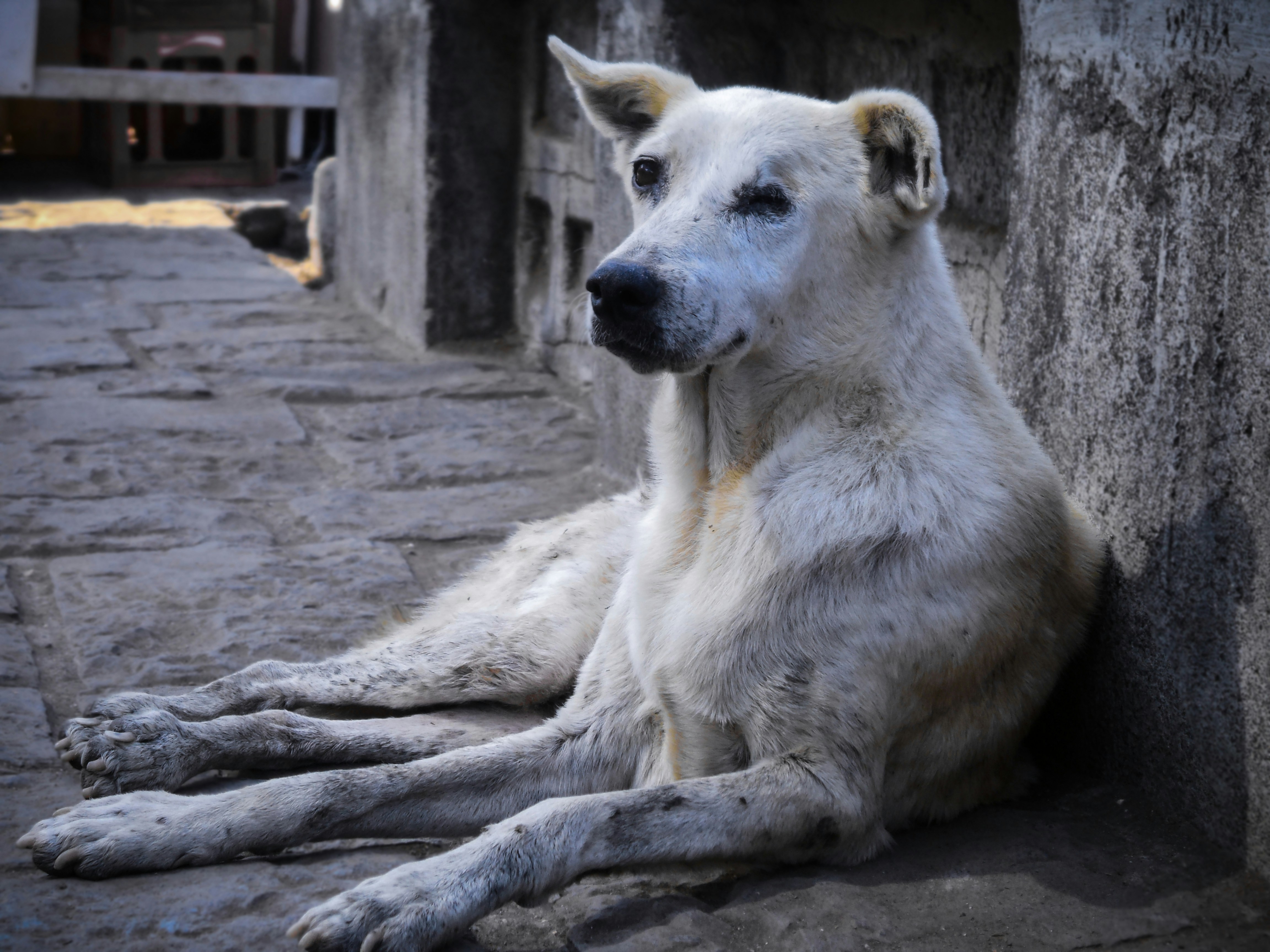
When is a dog "senior"? It depends on size.
| Size | Weight | Senior age |
|---|---|---|
| Small | < 10 kg | 10–11 years |
| Medium | 10–25 kg | 9–10 years |
| Large | 25–45 kg | 8 years |
| Giant | > 45 kg | 6–7 years |
Signs by Life Stage
Early Senior (7–9 yrs medium/large; 6–7 yrs giant)
Physical & behavioral signs
- Slightly slower to rise after lying; brief stiffness that disappears with movement
- Reduced stamina — shorter comfortable walk distance
- Beginning of muzzle greying
- Sleep hours increase modestly (up to 14–15 hrs/day)
- May be less enthusiastic about boisterous play
Vet actions to discuss
Switch to bi-annual checkups. Baseline bloodwork (CBC, chemistry panel, urinalysis). Dental cleaning if overdue.
Senior (9–11 yrs medium/large; 8–9 yrs giant; 10–12 yrs small)
Physical & behavioral signs
- Stiffness more persistent, especially in cold weather or after rest
- Lens cloudiness (nuclear sclerosis) may be visible
- Muscle mass reduction — hindquarters noticeably narrower
- Increased sensitivity to temperature extremes
- Possible weight changes — either gain (reduced activity) or loss (reduced appetite)
- Hearing reduction may begin — less responsive to soft sounds
Vet actions to discuss
Bi-annual checkups standard. Joint supplement discussion. Blood pressure measurement. Thyroid screening.
Late Senior / Geriatric (12+ yrs medium; 10+ yrs giant; 13+ yrs small)
Physical & behavioral signs
- Obvious joint stiffness; mobility aids or ramps may help
- Sleep 16–18 hours per day is normal
- Possible Canine Cognitive Dysfunction signs: disorientation, night waking, house soiling, reduced recognition
- Significant muscle loss (sarcopenia)
- Slower wound healing
- Increased water intake / urination (may signal kidney/thyroid/diabetes changes — monitor closely)
- May vocalize more at night, or appear anxious without obvious cause
Vet actions to discuss
Comfort-focused care. Pain assessment (validated scales available). Cognitive enrichment. Discuss palliative and quality-of-life planning.
Signs That Always Need Vet Attention
These are NOT normal aging. Don't wait to see if they improve:
- !Sudden collapse, weakness, or inability to stand
- !Rapid abdominal distension (possible bloat — emergency)
- !Difficulty breathing at rest
- !Vomiting or diarrhea more than 24 hours
- !Sudden blindness or eye redness/pain
- !Any lump that doubles in size within a month
- !Sudden appetite loss combined with lethargy
Canine Cognitive Dysfunction (Dog Dementia)
Canine Cognitive Dysfunction Syndrome (CDS) affects an estimated 28% of dogs aged 11–12 and up to 68% of dogs aged 15–16. The DISHAAL signs to watch for:
Disorientation
Gets lost in familiar spaces, stares at walls, gets stuck in corners
Interaction changes
Less interest in family interaction; may stop greeting at the door
Sleep-wake changes
Awake and restless at night; sleeps more in the day
House soiling
Urinating/defecating indoors despite prior reliable training
Activity level
Reduced exploration; standing and seeming 'stuck' or unresponsive
Anxiety
Increased anxiety, clinginess, or vocalizing without obvious cause
Learning/memory
Forgets previously known commands; doesn't recognize familiar people
CDS is diagnosed by a vet after ruling out treatable causes of similar symptoms (pain, hypothyroidism, hypertension). Some medications (selegiline) and dietary interventions can slow progression. Read more in our senior dog care guide.
Frequently Asked Questions
Related
PawToolkit provides general information only. Always consult a licensed veterinarian for medical advice specific to your pet.