
Puppy Development Stages
A week-by-week breakdown of physical and behavioral development from birth to 2 years — including the critical windows that shape your dog's character for life.
Key milestones at a glance
Neonatal Period

Physical
- Eyes and ear canals sealed — cannot see or hear
- No ability to regulate body temperature — dependent on mother and littermates for warmth
- Reflexes only: rooting, suckling, crawling
- Eyes begin opening around day 10–14
Behavioral
- Sleep 90% of the time
- Primary behaviors: suckling and elimination (stimulated by mother)
Care & training
Minimal handling necessary; keep warm. Weigh daily to confirm weight gain. No vaccinations yet.
Transitional Period
Physical
- Eyes fully open by day 16–21
- Ears open (day 13–17) — can hear
- Begin standing and walking (wobbly)
- Baby teeth begin emerging (incisors first)
Behavioral
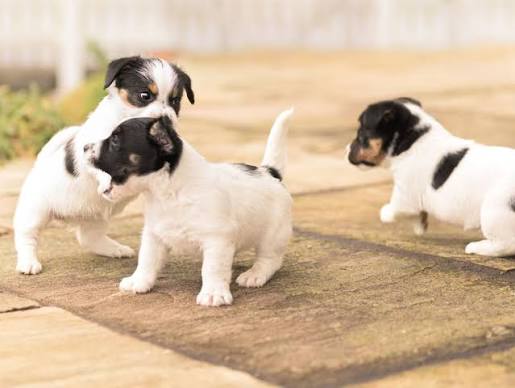
- Begin interacting with littermates
- First vocalizations beyond whimpers
- Startle response develops
Care & training
Begin gentle handling by humans (2–3 min/day). Introduce varied gentle sounds. Weaning begins around 3–4 weeks.
Primary Socialization Period
Physical
- Rapid neurological development
- Coordination improves dramatically
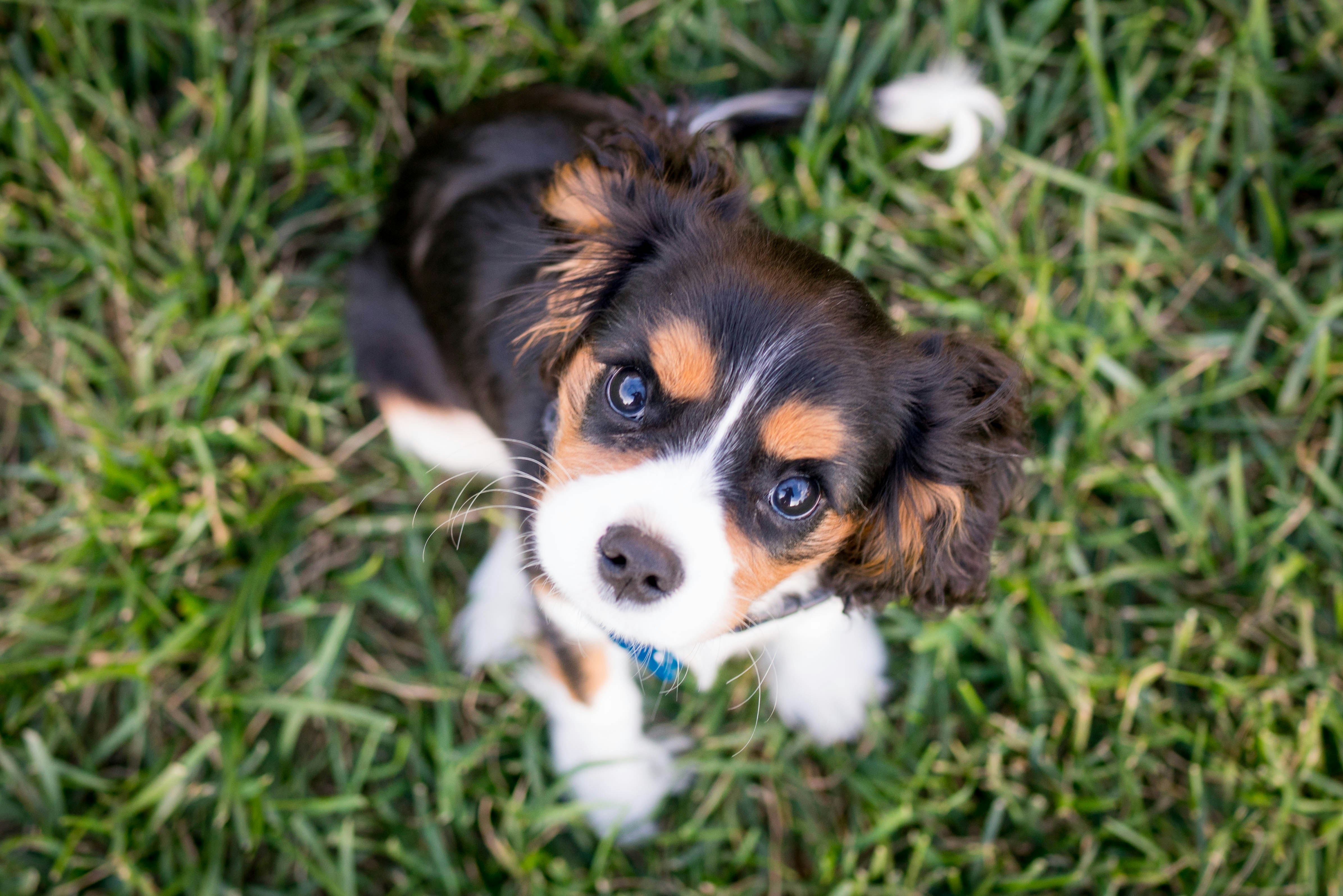
- Bite inhibition being learned through play with littermates
- All senses functional by week 4
Behavioral
- This is the CRITICAL WINDOW: positive exposure to people, animals, environments creates lifelong positive associations
- Fear imprint period around 8–10 weeks — avoid traumatic experiences
- Play fighting, chase, and social learning with littermates
- Begin recognizing humans as social companions
Care & training
Maximum positive socialization. Short training sessions from 7–8 weeks. First vet visit and vaccination series starts 8–9 weeks. Do NOT separate from mother before 7–8 weeks.
Juvenile Period
Physical
- Rapid growth — weight gain varies by breed
- Baby teeth shed; adult teeth erupt (3–7 months)
- Intense chewing phase as adult teeth emerge
- Motor coordination nearly adult-level
Behavioral
- Continued socialization critical — secondary window 12–16 weeks
- High energy and curiosity
- Can learn complex commands with consistent positive reinforcement
- May test boundaries — consistent, calm responses help
Care & training
Enrol in puppy classes (after week 2 of vaccination). Crate training, leash training, basic commands. Provide safe chew toys — they will chew something.
Adolescence Begins
Physical
- Puberty (varies 6–12 months by breed/sex)
- Large/giant breeds still growing significantly — growth plates open
- Near-adult weight in small breeds by end of period
Behavioral
- 'Teenage' behavior: increased independence, selective listening
- May appear to 'forget' commands — patience required
- Increased reactivity to other dogs in some breeds
- Hormonal influence on behavior
Care & training
Spay/neuter discussion with vet (timing debated by breed/size — consult vet). Maintain training consistency. Avoid high-impact exercise (no running on pavement) while growth plates open.
Young Adult
Physical
- Most breeds reach adult weight by 12–18 months
- Giant breeds may continue growing to 24 months+
- Growth plates closing — can begin higher-impact exercise
Behavioral
- Adolescent behaviors gradually decreasing
- Social maturity approaching — calmer, more settled
- Giant breeds may not reach mental maturity until 3 years
- Training gains become consolidated
Care & training
Transition to adult-formula food when growth complete. Annual vet checkup. Continued socialization and mental enrichment.
Why Socialization Timing Matters So Much
The 3–12 week window is not just "good to do" socialization — it's the neurological sensitive period during which the brain is actively and irreversibly shaped by experience. During this window, novel stimuli create positive associations with minimal effort. After the window closes (around 12 weeks), the brain's response to novelty shifts toward caution, and building positive associations requires much more work.
This is why under-socialized puppies — those kept isolated, in pet shops without exposure, or removed from litters too early — frequently develop fear, aggression, and anxiety disorders that persist for life, regardless of how much training follows. The window is real and it closes.
Practical implication: don't wait until after all vaccinations to socialize. Puppy socialization classes with health screening requirements are considered by the American Veterinary Society of Animal Behavior (AVSAB) to be appropriate from 7–8 days after first vaccination — the behavioral risk of under-socialization outweighs the small infectious disease risk of properly run classes.
Puppy Age in Human Years
Puppies age extremely rapidly compared to humans. Based on veterinary research:
| Puppy age | Human equivalent (approx.) | Developmental comparison |
|---|---|---|
| 2 months | ~8 years | Early elementary school age |
| 4 months | ~10 years | Approaching adolescence |
| 6 months | ~12–13 years | Early teenager |
| 9 months | ~14 years | Full teenager — puberty |
| 1 year | ~15 years | Mid-teenage |
| 2 years | ~24 years | Young adult |
Use the Dog Age Calculator for precise results by breed size.
Frequently Asked Questions
Related
PawToolkit provides general information only. Always consult a licensed veterinarian for medical advice specific to your pet.